
Dog Anxiety Awareness Week: Expert Vet Tips to Calm Your Pet

Dog Anxiety Awareness Week: Expert Vet Tips to Calm Your Pet
Dog Anxiety Awareness Week is a reminder for all pet owners to pay attention to the mental and emotional wellbeing of their furry friends. Dogs, just like humans, can experience stress and anxiety, which can affect their behaviour, health, and quality of life. As veterinarians, we often see pets struggling with anxiety, and the good news is that there are steps you can take to help your dog feel calmer and more secure.
Common Signs of Anxiety in Dogs
Dogs can show anxiety in many ways, and recognising the signs early is key to effective management. Some common symptoms include:
- Excessive barking or whining
- Pacing, restlessness, or destructive behaviour
- Panting or drooling more than usual
- Avoidant behaviours or hiding
- Aggression or irritability
- Changes in appetite or bathroom habits
If you notice any of these behaviours, it’s important to consult our veterinary team to rule out medical causes and discuss appropriate management strategies.
Causes of Anxiety in Dogs
Anxiety can stem from a variety of sources:
- Separation anxiety: Stress when left alone
- Noise sensitivity: Fear of thunderstorms, fireworks, or loud environments
- Changes in routine or environment: Moving house, new pets, or visitors
- Past trauma or lack of socialisation
- Medical issues: Pain, illness, or neurological conditions
Understanding the root cause is the first step in helping your dog feel safe and relaxed.
Tips to Help Anxious Dogs
- Create a safe space: Provide a quiet, comfortable area where your dog can retreat when feeling stressed. Include their favourite bed, toys, and a calming blanket.
- Stick to a routine: Dogs thrive on predictability. Feeding, walking, and playtime at consistent times can reduce anxiety.
- Gradual desensitisation and counter-conditioning: Slowly expose your dog to anxiety triggers in a controlled way while rewarding calm behaviour. This is best done with guidance from your vet or a certified animal behaviourist.
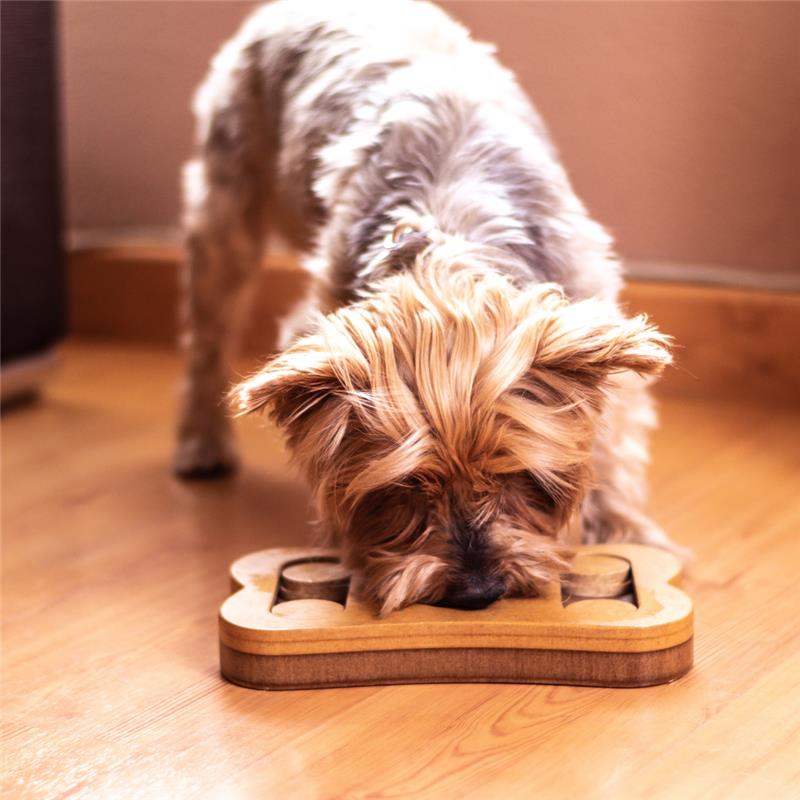
- Exercise and mental stimulation: Physical activity and puzzle toys can reduce stress and provide a healthy outlet for nervous energy.
- Calming aids: We can recommend safe options such as pheromone diffusers, anxiety wraps, or in some cases, medications for short-term or chronic anxiety.
- Training and positive reinforcement: Reward-based training helps build confidence and reduces fearful behaviour over time.
When to See a Vet
If your dog’s anxiety is severe, persistent, or affecting their health or your household, it’s time to schedule a consultation. Early intervention can prevent worsening behaviours and improve your dog’s overall wellbeing.
During Dog Anxiety Awareness Week, take the time to observe your pet, note any changes, and ask your vet for tailored strategies. Every dog is different, and a personalised approach ensures the best results.
Final Thoughts
Anxiety in dogs is common but manageable. With understanding, patience, and the right support, you can help your dog live a calmer, happier life. Remember, your pet’s mental health is just as important as physical health, and our team is here to help every step of the way.